
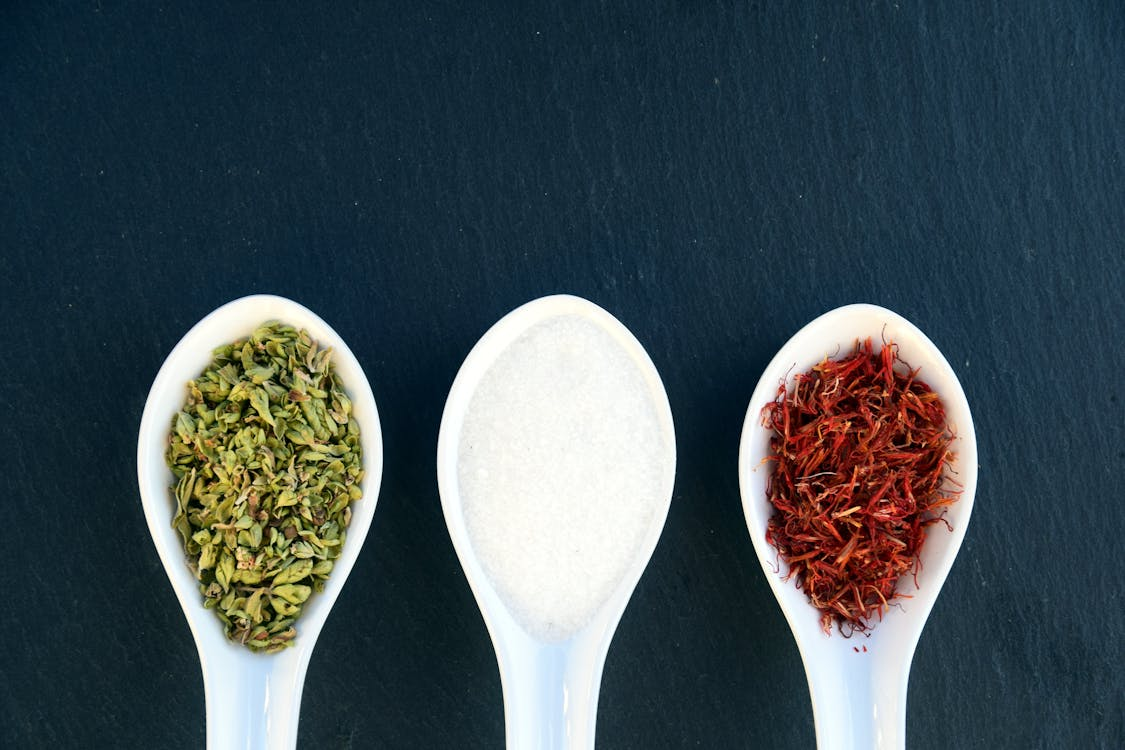
Throughout the centuries, people have tried to use various herbs and spices to improve their mental health. Naturally, they’ve wanted to find ways to feel better and just get on with life.
Previously, what people should eat was essentially just hearsay. But now we have scientific studies to back up many of these claims?
So, which herbs and spices work best? Let’s take a look.
Saffron
Top of the list is saffron, a valuable spice known to improve mental health for centuries. Just a few sprigs of the stuff daily is usually all that’s needed for massive improvements in well-being.
Saffron is known as the sunshine spice. It works by reducing stress and alleviating things like mild to moderate depression, mimicking the effects of many antidepressants, but without any of the nasty side effects involved with those.
You don’t have to use much of the stuff. Just a pinch is quite potent. And you can sprinkle it on most foods, including delicious roasted vegetables.
Ginger
Another option is ginger, which shares many indica benefits (from the hemp plant). Ginger has been known to be a physical painkiller for a long time. However, it can also help with mental well-being too, through similar pathways.
Interestingly, dried ginger seems to work best. It contains unique compounds not found in the fresh alternative.
You need about half a teaspoon to see the effects of the dried powder, which you can add to baking and numerous Asian recipes.
Holy Basil
Some people also swear by the effectiveness of holy basil, a special type of basil that also qualifies as an adaptogen. It works to boost calmness, helping to reduce stress hormones significantly.
You can add holy basil to tea or use it for its fresh leaves in salads. You can also grow a fresh supply at home if that’s what you want.
Ashwagandha
Five years ago, nobody had heard of ashwagandha in the West, but it has since become a popular supplement. People have been using it to reduce cortisol levels, fight stress, and eliminate anxiety.
Ashwagandha is often used in capsule or powder form, though you can eat the raw root if you don’t trust the source. Most people who take it cycle it over the months and years, perhaps taking it for a couple of months, then taking time off, and then returning to it to prevent adaptation.
Cinnamon

Cinnamon is another herb sometimes used for mental health. It doesn’t quite affect the brain in the same direct way as the others, but it has various compounds shown to protect against neurodegeneration, which many people find helpful.
You can sprinkle cinnamon on oatmeal or add it to coffee. It also works well with chopped fruit and soymilk.
Rosemary
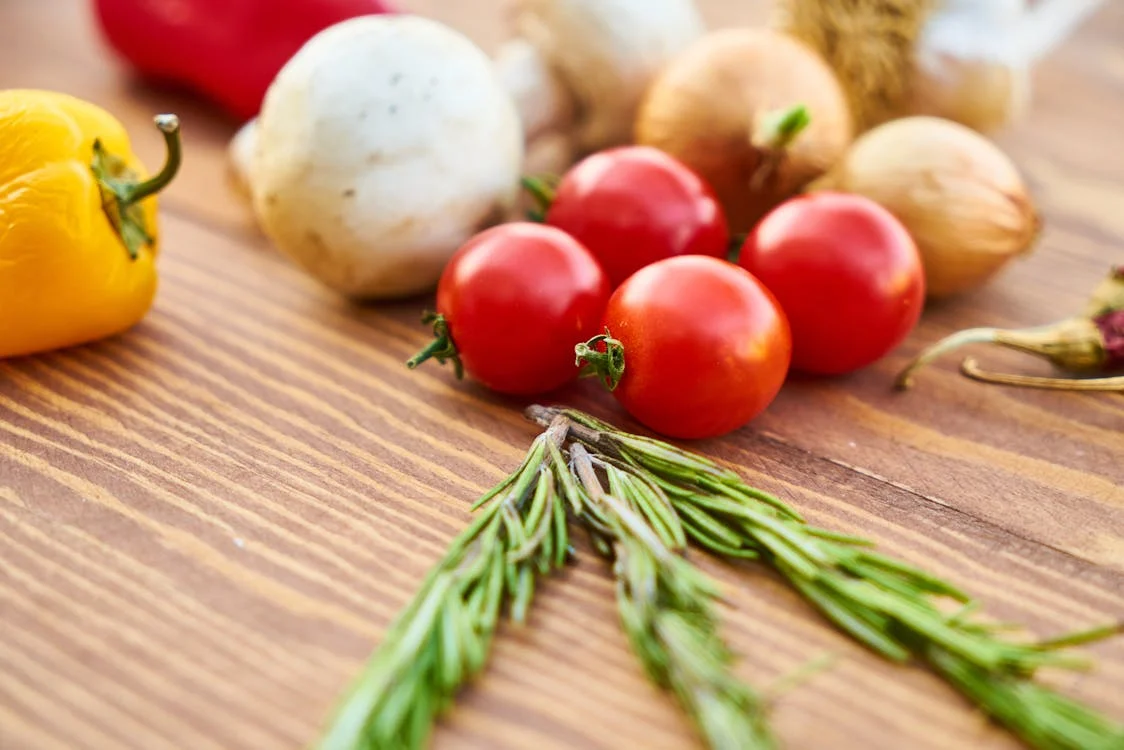
Finally, we have rosemary. Some studies suggest that it can improve cognitive function and may be the reason populations eating it tend to live for such a long time.
Rosemary also has beneficial effects on cortisol production, lowering levels significantly. As such, it is well worth experimenting with.