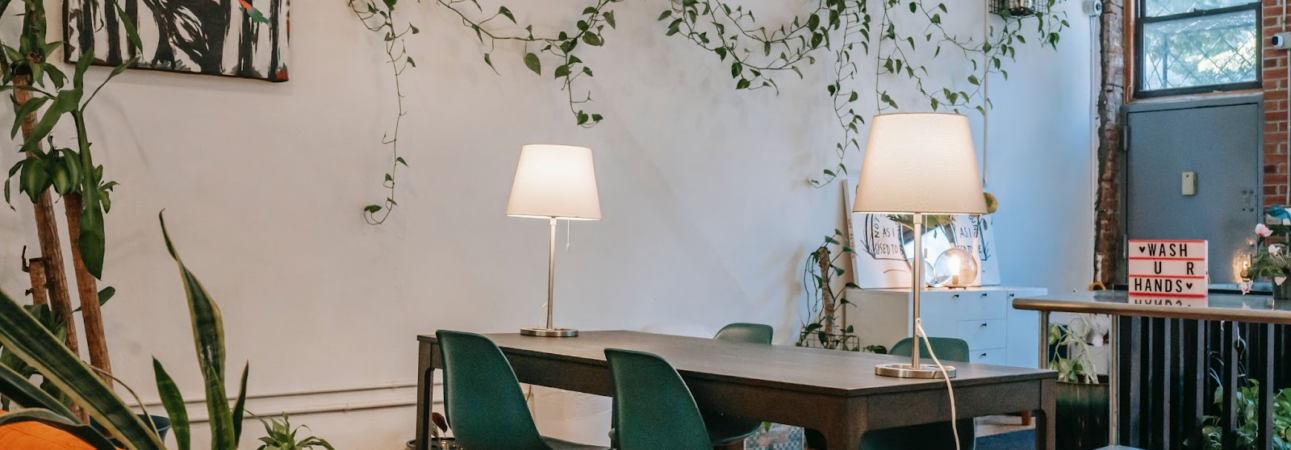
Let’s be honest: your workspace sets the tone for your day. If it’s busy, your brain feels busy. If it’s calm, you breathe easier and get moving. Most people think a dramatic makeover is the answer: new desk, new paint, new everything. You don’t need all that.
What actually moves the needle are the quiet choices: trimming visual noise, dialing in light, choosing textures that don’t shout for attention. These tiny tweaks change how a room feels and, strangely, how you think inside it. Less clutter, more focus. Fewer decisions, more momentum. That’s the promise of minimalist details, small changes that give you back headspace, without turning your office into a showroom.
Via Pexels
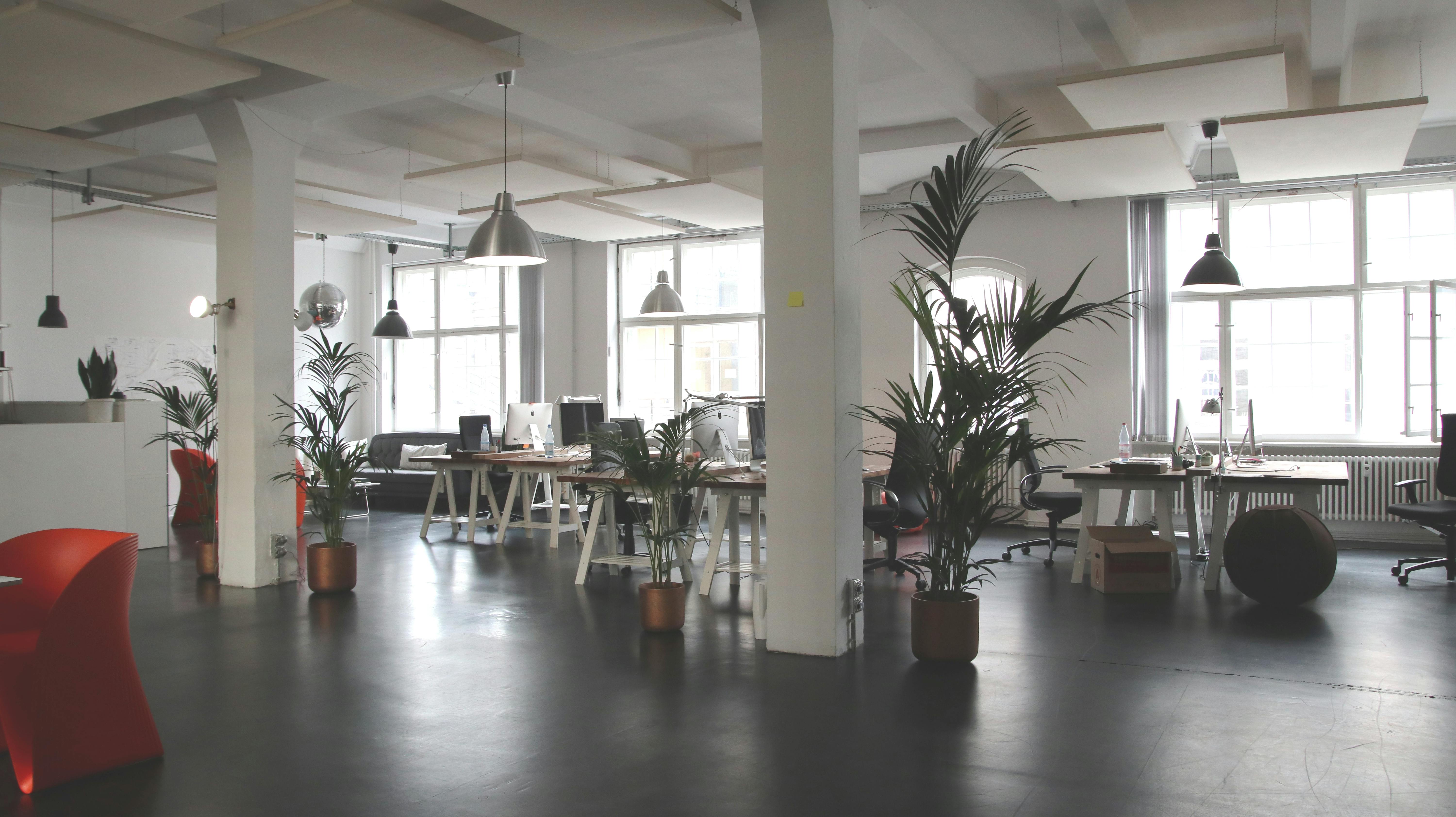
Clarity Over Clutter
Think about the times you’ve sat down at a messy desk. Papers everywhere, wires tangled, that one pen you can never find, it all feels heavy before you’ve even started working. Compare that to a desk with only the essentials in reach. The calm is almost immediate.
Minimalist details work the same way. By choosing fewer, more intentional elements, you strip away what doesn’t matter. The reward? Mental clarity. The less visual noise around you, the sharper your own ideas become.
Light, Texture, and Flow
One of the most overlooked aspects of workspace design is how light interacts with surfaces. Harsh lighting creates glare. Heavy curtains block too much. But when you get the balance right, the atmosphere shifts from draining to inspiring.
This is where materials come into play. Imagine the cool smoothness of polished wood, the quiet strength of steel, or the soft diffusion of sandblasted glass. Each of these choices brings its own character. In particular, sandblasted glass lets natural light filter through without the harshness, creating privacy while keeping the room bright and open. It’s a simple, minimalist choice that changes how you experience a space every day.
Details That Work Harder Than You Think
Minimalism isn’t about stripping a space bare. It’s about giving every detail a job to do. A wall shelf isn’t just storage, it’s a way to keep the desk surface clear. A muted colour palette isn’t just for aesthetics; it sets the tone for focus. Even a plant isn’t just décor; it helps regulate air quality while giving your eyes a break from screens.
When each element has purpose, the room starts working with you rather than against you. That’s the quiet magic of minimalist detail: invisible support that boosts productivity without you even noticing.
Creating a Mindset, Not Just a Room
Here’s the part most people overlook: your workspace isn’t just physical, it’s psychological. Every decision you make about what to include or exclude reflects your mindset. Minimalism, then, isn’t simply about neatness; it’s about setting boundaries.
When you design with intention, you’re teaching yourself to prioritize. To focus on what matters. To let go of the distractions, both in your workspace and in your head. That lesson, repeated day after day, can transform not only your room but your work habits.
Wrap-Up: Start Small, Keep It Real
You don’t need a perfect Pinterest office to work better; you just need a few thoughtful tweaks. Clear one surface. Swap one bulky piece for something lighter. Adjust the lighting so your eyes relax. Notice how the room and your mood shift.
Keep going at your own pace. Minimalist details aren’t about rules; they’re about making space for the work (and life) you actually want. Little changes, repeated, add up to a workspace that quietly has your back every day.